



BirdTrack
Help us track the outbreak of avian influenza with BirdTrack
You can now send us sightings of sick and dead birds through BirdTrack. These records give us a real-time picture of the locations and species affected by the disease, to help us track its impact and spread.
Please remember to report all dead birds to Defra (England, Scotland and Wales) or Daera (Northern Ireland) as well, to assist in efforts to test dead birds for the disease.
- More information about avian influenza can be found on our dedicated avian influenza page.
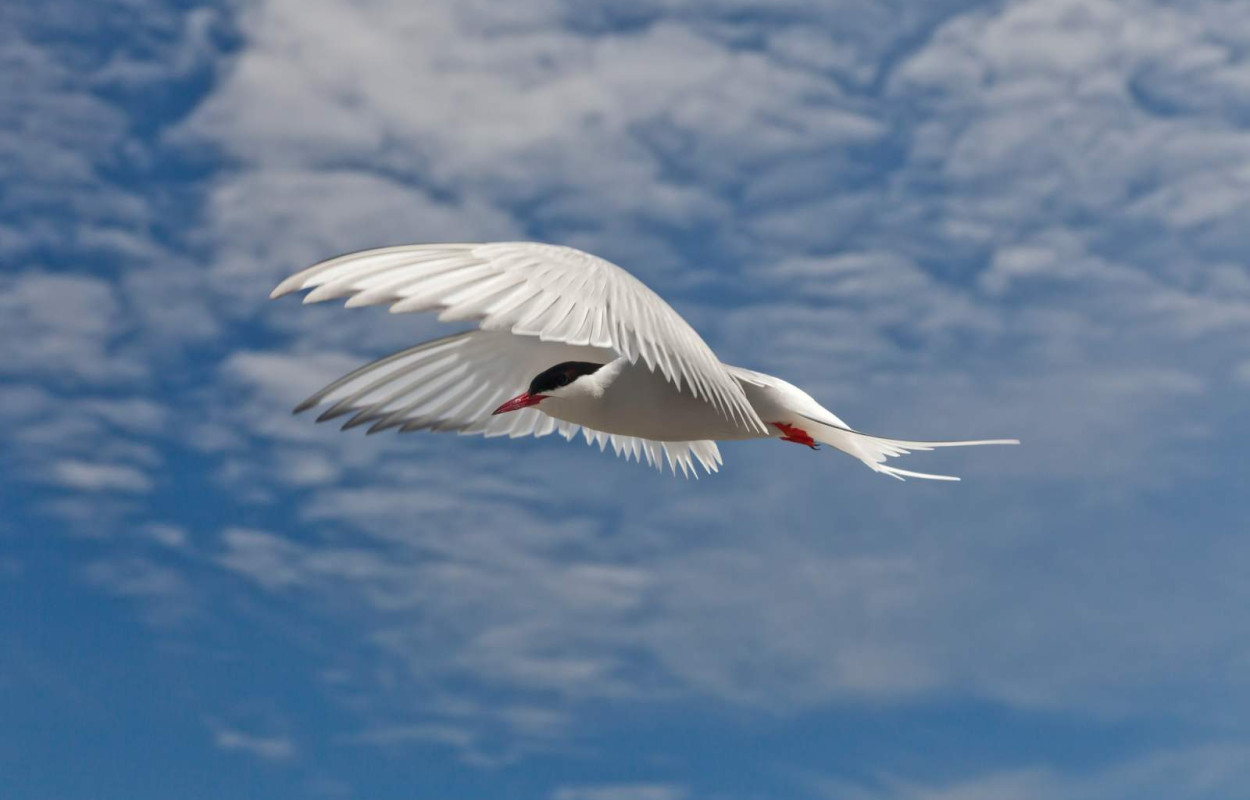
BirdTrack is a free and convenient way of storing your bird records online. BirdTrack lets you keep up to date with what others are seeing, view the latest trends, and contribute your data to BTO science.
Created through a partnership between the BTO, the RSPB, BirdWatch Ireland, the Scottish Ornithologists' Club and the Welsh Ornithological Society, BirdTrack is an exciting project that looks at migration movements and distributions of birds throughout Britain and Ireland.
BirdTrack provides facilities for observers to store and manage their own personal records as well as using these to support species conservation at local, regional, national and international scales.
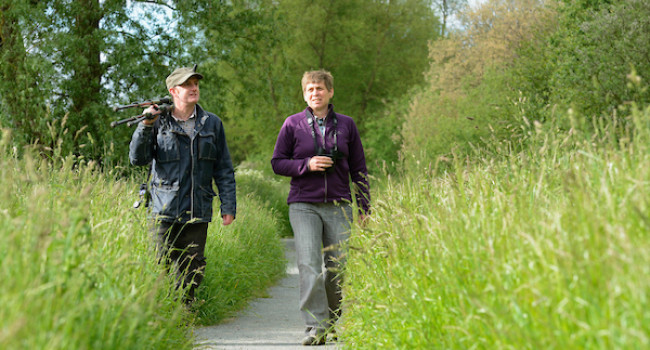
Taking part in BirdTrack is easy and fun. You simply provide some information about yourself, the sites where you go birdwatching, when you go birdwatching and most importantly, the birds you identify! BirdTrack allows you to store all of your bird records in a safe, easily accessible and interactive format.
To participate in BirdTrack you just need to do the following:
- Go birdwatching and note all the species that you see.
- Go to the BirdTrack web site and register an account. If you have taken part in any other online survey organised by the BTO then please use your existing username and password.
- Enter the location of your chosen site(s) or select from a popular site.
- Enter the date and time of your visit and the site you visited.
- Record the species you saw or heard on your visit.
We hope that you will have great fun participating in BirdTrack and that you will return to the website frequently to enter more data and to find out what's happening in your area and around the country.
- National and regional summaries updated every night throughout the year.
- View all of your own records and compare them with the regional figures.
Record on the go with BirdTrack Apps
Log your bird sightings anywhere in the world - Learn more about our mobile apps.
- Works without a network/WiFi connection
- 'Smart' species dropdown for adding sightings, listing most commonly recorded species first
- Sync all your existing BirdTrack places and upload everything into your BirdTrack account
Go beyond just data entry and use the app to
- View a map of recent sightings
- View target species that you haven't seen this year / ever
- View your year and life lists
Delve into your records
Use the 'Explore my records' function in BirdTrack to view your data in a range of exciting ways.
- View your life and year lists at global, regional or local levels
- View maps of all your birding locations
- Extract the data as tables and graphs
Time / skill required

Project timeline, contributions & findings
Project timeline
- 2002 Migration watch started, with the initial aim of mapping migration
- 2004 Re-named BirdTrack and expanded to cover all seasons
- 2013 BirdTrack apps released on iOS and android
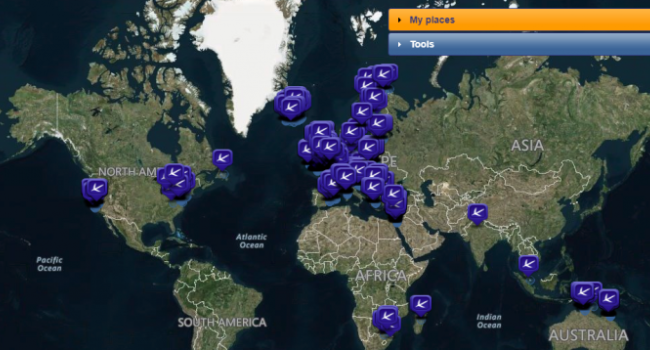
- 2014 BirdTrack global portal released, allowing data to be entered from anywhere in the world
- 2019 BirdTrack moved to a single site handling both British/Irish records and those from elsewhere in the world
- 2021 Additional taxa added to BirdTrack: Amphibians, Butterflies, Dragonflies, Mammals, Orchids, and Reptiles can all be recorded
- 2022 Link to iRecord set-up to facilitate a daily flow of non-avian records from BirdTrack to iRecord
- 2022 New revised version of the mobile app released.
Contributions & findings
- Long-term changes in the migration phenology of UK breeding birds detected by large-scale citizen science recording schemes
- Robustness of simple avian population trend models for semi-structured citizen science data is species-dependent
- Estimating species distributions from spatially biased citizen science data

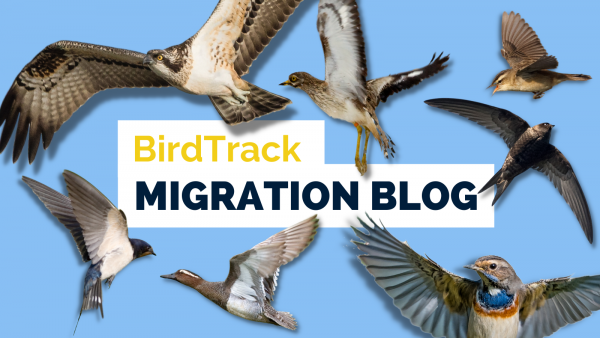
Keep your finger on the migration pulse this autumn
Your BirdTrack data allows us to follow the arrival and departure of migrants through the seasons.
What's been seen this week? How will the weather affect migration next week? And which species will be arriving near you?
Visit the blogContact BirdTrack
Britain
BirdTrack Organiser
c/o BTO, The Nunnery
Thetford, Norfolk
IP24 2PU
Tel: +44 (0)1842 750050
Email: birdtrack [at] bto.org
Ireland
BirdWatch Ireland (BirdTrack contact)
c/o BirdWatch Ireland
Unit 20, Block D
Bullford Business Campus
Kilcoole, Greystones
Co. Wicklow, Ireland
Tel: +353 579151676
Email: bcaffrey [at] birdwatchireland.ie
Related Content


Share this page